The government, through the Ministry of Public Service, Human Capital Development and Special Programmes, is set to establish a new multi-agency task force to review the classification of hardship areas across the country.
The initiative follows growing concerns over disparities in the payment of hardship allowances to public servants, including teachers in Kilifi and Taita-Taveta counties.
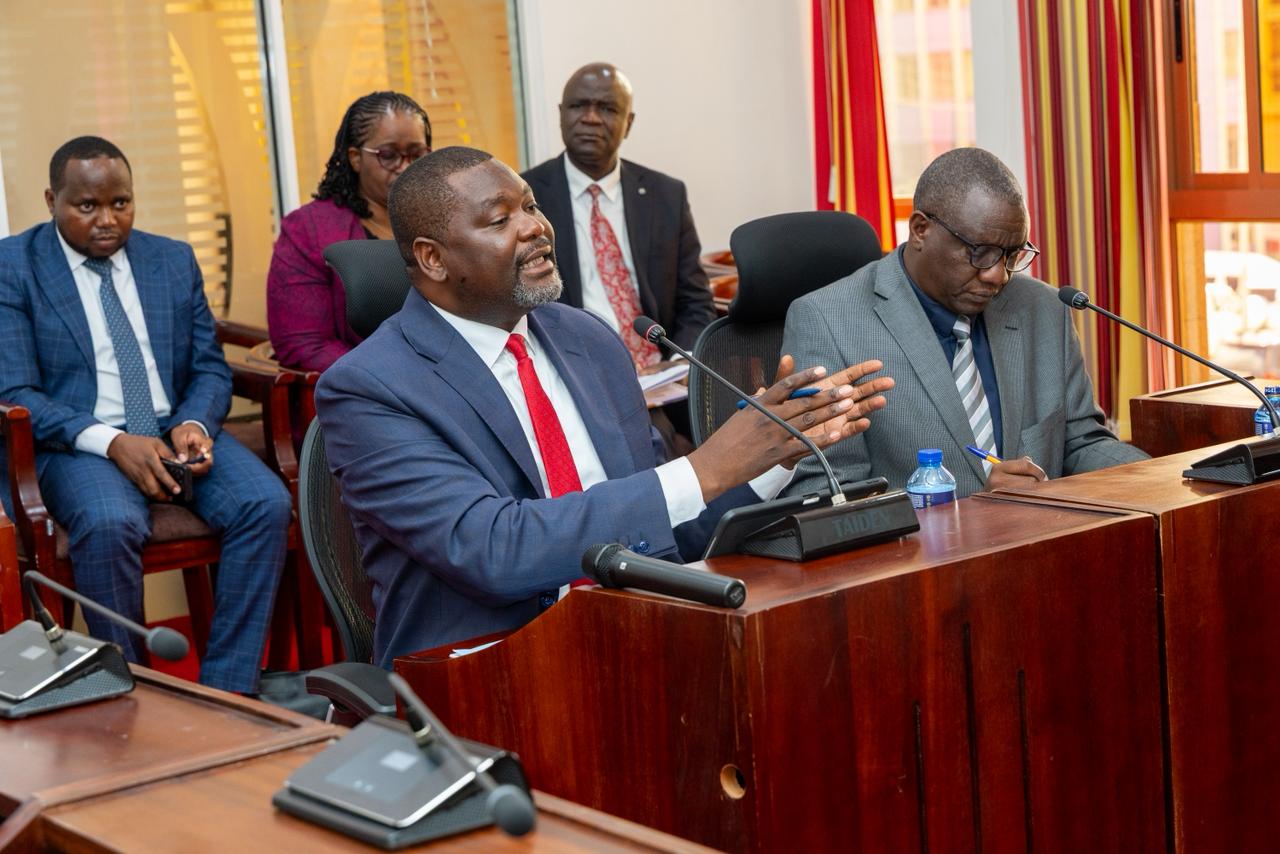
Appearing before the Senate Standing Committee on Education, Cabinet Secretary Geoffrey Ruku said the ministry intends to conduct a comprehensive review to ensure fairness and standardisation in the payment of hardship allowances.
“The Ministry is initiating a review process through a new multi-agency task force to re-examine the designation of hardship areas and the criteria applied in the payment of hardship allowances,” said CS Ruku.
“This will ensure that all public officers serving in genuinely difficult environments are treated equitably.”
The announcement comes after several petitions were presented to the Senate alleging discrimination in hardship and housing allowance payments to teachers in the affected counties.
Previously, hardship areas were classified using broad administrative units such as districts or divisions.
However, the ministry observed that such a method failed to capture variations in living conditions within smaller areas.
The new review will focus on more localized administrative boundaries to allow for evidence-based classification.
The task force will include representatives from key government institutions and relevant stakeholders and will conduct extensive public participation to gather input from affected communities.
According to the ministry, the Kenya National Bureau of Statistics (KNBS) will play a central role in the process. It will apply a weighted scoring system based on seven key parameters: access to food, water, transport and communication, social services, climate and terrain, security, and the poverty index.
Ruku noted that some areas currently classified as hardship zones have experienced socio-economic growth and may no longer qualify, while others not previously recognized may now meet the criteria.
“The review will enable the government to address disparities and ensure allowances are paid based on updated and verifiable data,” he added.
The Senate Committee urged the ministry to expedite the review and present a new policy framework for consideration.
It stressed that teachers and other public officers working in challenging environments should not be unfairly disadvantaged.
Meanwhile, the Cabinet Secretary directed that the Teachers Service Commission continue paying hardship allowances under the current classification until a new policy is approved and gazetted.
Once completed, the review is expected to harmonize hardship allowance payments across all public institutions, ensuring equitable treatment for all civil servants working in difficult conditions.































Comments
Sign in with Google to comment, reply, and like comments.
Continue with Google